
English| EUR
Suggested for you
More currencies
Choose a language
Fansipan rises 3,143 meters above sea level, making it the tallest peak in Indochina. The trek to its summit involves both cable car access and a final 600-step climb through alpine terrain. Understanding the physical demands and altitude effects helps you decide whether to attempt the route and how to prepare.
Quick answer
The Fansipan trek difficulty level is moderate to challenging, determined primarily by altitude rather than technical climbing skill. The round-trip cable car ascends to 3,000 meters, followed by 600 stone steps to the summit at 3,143 meters. Most visitors with average fitness complete the final ascent in 20 to 30 minutes, though thin air, steep gradients, and weather exposure require steady pacing and acclimatization awareness.
The cable car system eliminates nearly all horizontal trekking, compressing what was once a two-day mountain expedition into a vertical transit of under 20 minutes. That efficiency creates a new challenge: rapid altitude gain. Visitors ascending from Sa Pa at 1,600 meters reach 3,000 meters in less time than the body typically needs to adjust, and the physiological effects appear within minutes of stepping off the cabin. The 600-step final climb begins at the upper cable car station and follows a stone staircase cut into the ridgeline. Gradients shift between moderate and steep, with handrails installed along exposed sections. Surface conditions vary—stone treads become slick during rain, and morning dew lingers on shaded stretches. Wind accelerates near the summit pagoda, where temperatures drop 10 to 15 degrees Celsius below Sa Pa town readings. The trail difficulty stems less from technical complexity than from sustained effort at reduced oxygen levels, where cardiovascular systems work 20 to 30 percent harder than at sea level. Fitness requirements center on aerobic endurance and leg strength rather than mountaineering experience. Visitors who manage moderate staircases at low altitude and maintain light cardio routines handle the ascent without distress, though pacing becomes critical. Rest platforms appear every 80 to 100 steps, and most trekkers pause two to three times during the climb. Altitude headaches, shortness of breath, and dizziness signal the need to slow or descend. The fansipan trek difficulty level shifts with individual acclimatization capacity, and no amount of fitness eliminates altitude physiology. Weather compounds physical demands. Fog reduces visibility to under 10 meters during monsoon months, and afternoon clouds roll in even during dry season. Morning departures between 07:30 and 10:00 offer the clearest conditions and the most forgiving temperatures. The Nguyen Chi Thanh Road cable car station opens daily at 07:30, and early arrivals avoid both midday heat and peak-hour crowding that slows staircase flow.
“The trail difficulty stems less from technical complexity than from sustained effort at reduced oxygen levels, where cardiovascular systems work 20 to 30 percent harder than at sea level.”
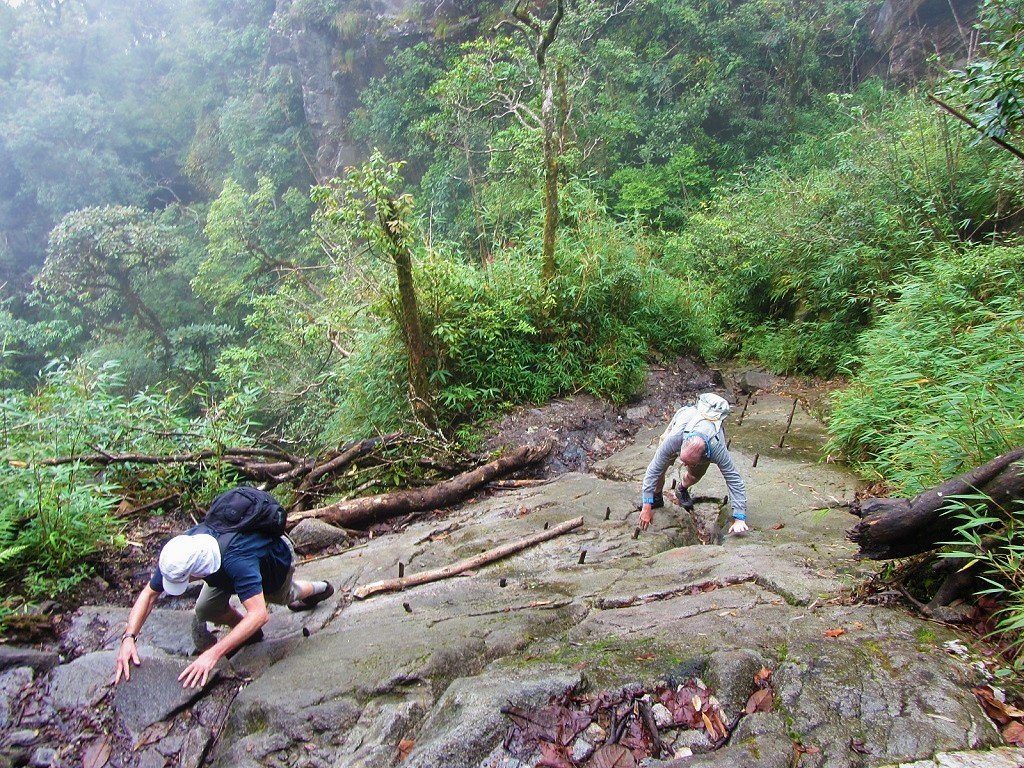
This timeline maps a standard trekking ascent via the traditional trail, suited to moderately fit hikers comfortable with sustained climbs. Expect 6–8 hours of active walking across two days.
Complete these steps in order to handle the steep 600-step ascent and high-altitude conditions effectively.
Many hikers underestimate the physical demands of Fansipan's altitude and terrain, turning a manageable trek into a grueling ordeal. Recognizing these errors before departure makes the difference between a controlled ascent and an exhausting struggle.
Starting the ascent after 10:00 without checking weather
Cloud cover thickens rapidly after late morning, obscuring views and reducing visibility. Arrive between 07:30–10:00 to maximize clear conditions and safer navigation.
Treating the cable car route as a casual walk
The 600 steps from the cable car station to the summit involve significant exertion at 3,143 meters altitude. Pace yourself deliberately and pause frequently to prevent altitude-induced dizziness or nausea.
Hydrating only when thirsty at high altitude
Dehydration accelerates at elevation before thirst signals appear, compounding fatigue and headache risk. Drink small amounts every 15–20 minutes regardless of perceived need.
Rushing the summit approach to match group pace
Overexertion in thin air triggers acute mountain sickness symptoms—headache, nausea, disorientation. Move at your sustainable rhythm even if it means lagging behind faster trekkers.
Skipping acclimatization time at the upper station
Immediate summit attempts after cable car arrival shock the respiratory system. Spend 10–15 minutes at the upper station allowing your body to adjust before tackling the final ascent.
Wearing cotton layers in variable mountain weather
Cotton retains moisture and loses insulation when damp from sweat or mist. Use synthetic or merino wool base layers that regulate temperature and dry quickly in shifting conditions.
The total cost for accessing Fansipan depends on the cable car service, which serves as the primary transport method for reaching the summit area. The following fee covers round-trip cable car transit and official park access.
Verdict: A typical adult pays 850,000 VND for the round-trip cable car ticket, which is the standard fee for park access.
The facility operates daily throughout the week. Visitors are advised to plan their arrival within the optimal window of 07:30–10:00 to experience clearer views and avoid peak midday crowds.
Everything you need to know about fansipan trek difficulty level
The fansipan trek difficulty level is generally considered challenging due to the steep terrain and high elevation, requiring solid physical endurance. While experienced hikers often manage the route, novices should approach it with significant preparation.
The fansipan summit hike is generally not recommended for beginners without prior high-altitude experience or a guided tour. Even with local assistance, the fansipan trek difficulty level remains high for those who do not train regularly.
To prepare for the fansipan trek difficulty level, you should focus on cardiovascular endurance and leg-strengthening exercises. Consistent hiking training several months in advance will significantly help you navigate the rugged trails of this Vietnam landmark.
Weather can drastically impact safety, as rain makes the mountain trails slippery and the descent more technical. It is vital to check current conditions before starting, as visibility and path stability influence the fansipan trek difficulty level.
Accessing the final summit involves navigating 600 steps after the cable car ride. These steps are steep and can feel quite intense if you are not accustomed to vertical exertion.
The best arrival window is 07:30–10:00 to ensure clear views and avoid the busiest midday period. Visiting during this time allows you to enjoy the peak before larger tour groups arrive.
There are no strict legal age limits for the climb, but the physical demands mean it is rarely suitable for young children. All visitors must be physically capable of handling the steep trails and the final 600 steps to the summit.